


Introduction
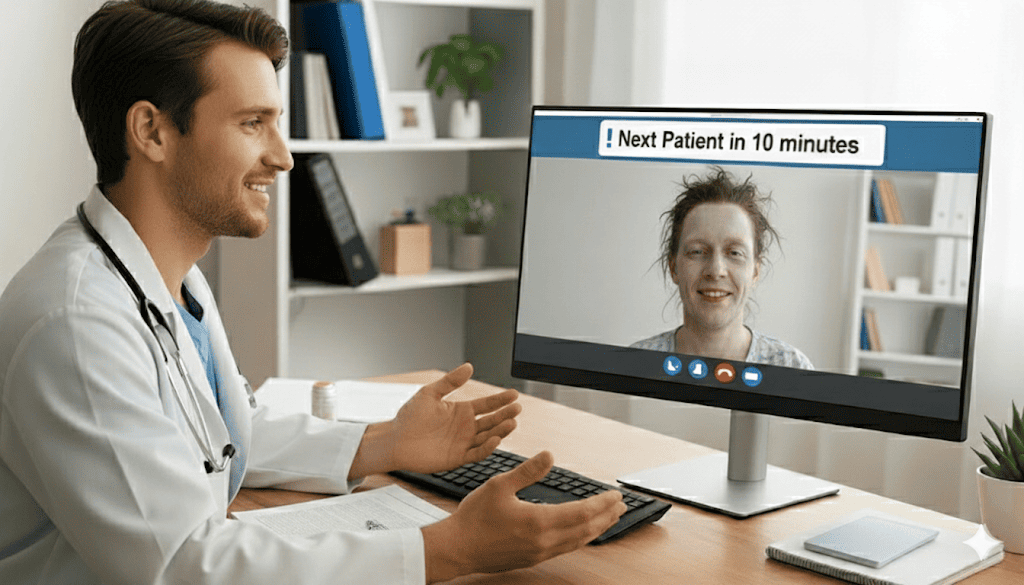
This form of healthcare delivery is especially beneficial for people living in remote areas or those who face difficulty travelling to hospitals and clinics. To ensure telemedicine services operate effectively, a strong technology stack is necessary. A technology stack refers to the collection of digital tools, software, and systems that work together to support a platform, making digital tools for telemedicine providers essential for success. Having the right technology stack helps telemedicine providers deliver efficient, reliable, and secure healthcare services.
Reliable Communication Tools
Communication tools are one of the most important parts of a telemedicine technology stack. High-quality video and audio systems enable healthcare professionals to clearly understand patients’ conditions and offer appropriate medical advice. Stable communication systems also help reduce interruptions during consultations, ensuring that the interaction between doctors and patients remains smooth and effective.
Secure Data Management Systems
Handling patient data safely is essential in telemedicine services. Strong security measures also protect sensitive medical information from unauthorised access.
Appointment Scheduling and Management
Efficient appointment scheduling systems are another important element of a telemedicine technology stack. These systems make it easy for patients to schedule and manage their consultations. Healthcare providers can organise their schedules and manage patient appointments without confusion.
Electronic Health Records
Electronic health records are a vital component of telemedicine platforms. These digital records store detailed information about patients, including medical history, diagnoses, prescriptions, and treatment plans. Having access to electronic health records helps doctors review patient information quickly and make better medical decisions. It also ensures that patient records are organised and easily accessible when needed.
Integration with Digital Tools
Another essential part of the technology stack is the ability to integrate with other digital healthcare tools. Telemedicine platforms often work with systems that support remote patient monitoring, digital prescriptions, and health tracking devices. Integrating these tools allows healthcare providers to collect important health data and monitor patients more effectively. This helps doctors provide better treatment and follow-up care.
System Performance and Technical Support
A reliable telemedicine platform must also have strong system performance and technical support. Fast system performance ensures that consultations run smoothly without delays or technical problems. In addition, technical support teams help resolve issues quickly when they occur. This ensures that both healthcare providers and patients can continue using the platform without major interruptions.
Conclusion
In conclusion, a strong technology stack is essential for the success of telemedicine providers. Reliable communication tools, secure data management systems, efficient scheduling platforms, electronic health records, and integration with digital tools all play an important role. Along with good system performance and technical support, these technologies help telemedicine providers deliver safe, efficient, and convenient healthcare services. As telemedicine continues to grow, the importance of a well-developed technology stack will become even greater.
