


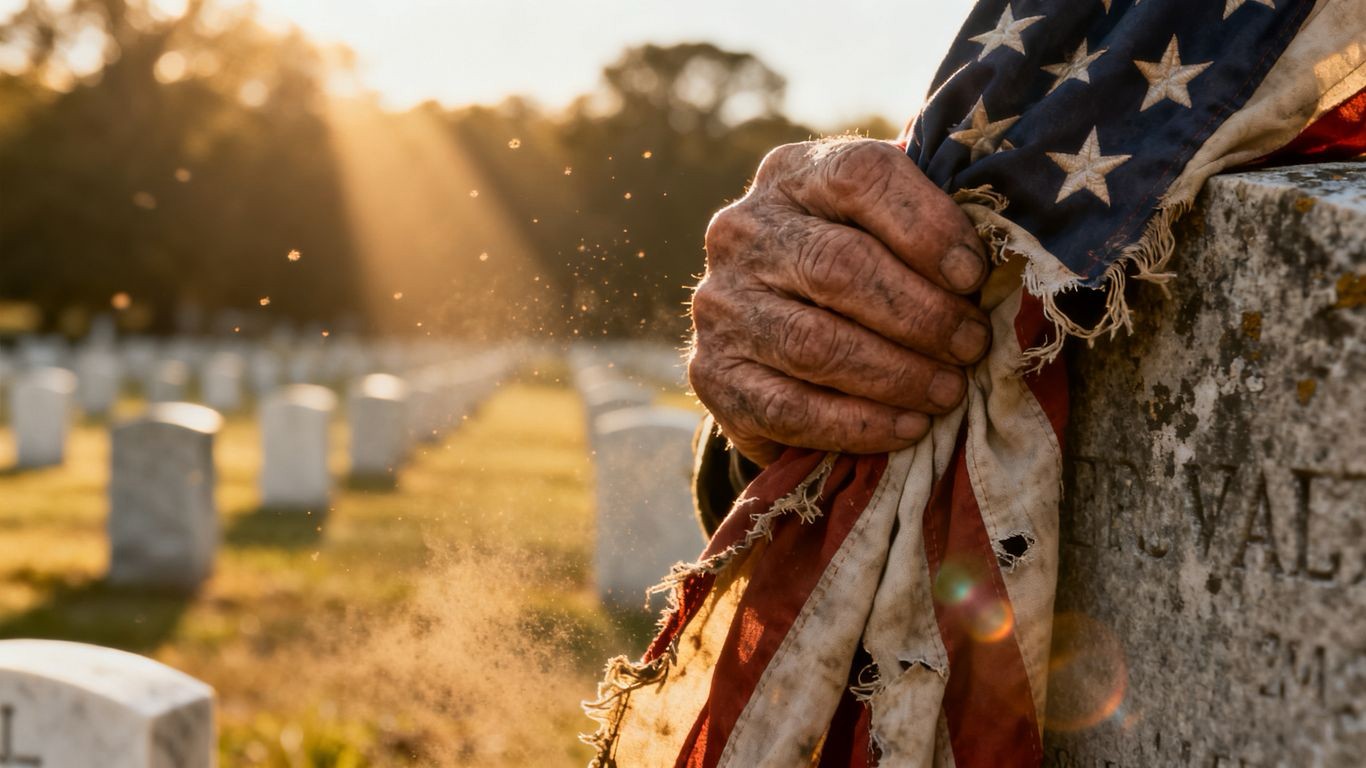
The cost associated with VA disability benefits is often misunderstood, leading to public debate about the financial commitment to America’s veterans. It’s important to look beyond simple figures and understand what these benefits represent: a fulfillment of promises made to those who served. These payments are not a handout; they are compensation for injuries or illnesses incurred during military service. The VA disability system is designed to provide financial support that reflects the impact of service-connected conditions on a veteran’s ability to earn a living and live a full life.
Addressing Misconceptions About Veteran Compensation
Many people view VA disability compensation as a form of welfare, but this perspective misses the core purpose of the program. Veterans receive these benefits because their service caused a physical or mental health issue. This could range from hearing loss developed during active duty to a back injury sustained in combat. The amount of compensation is directly tied to the severity of the condition and how it affects the veteran’s life and earning potential. For instance, the VA uses a rating system to determine the level of disability, which then dictates the monthly payment. Understanding these compensation rates is key to grasping the system’s intent. For example, a veteran with a higher disability rating will receive a higher monthly payment, reflecting a greater impact on their life. It’s about restoring, as much as possible, what was lost due to service.
The PACT Act: Fulfilling Obligations to Veterans
The PACT Act represents a significant step in acknowledging the long-term health consequences of military service, particularly related to toxic exposures. This legislation expands VA healthcare and benefits to veterans exposed to burn pits, Agent Orange, and other hazardous substances. It acknowledges that the effects of these exposures may not appear for years, and the VA has a responsibility to care for those affected. The act is a recognition that the nation’s commitment to its service members extends far beyond their time in uniform. It’s about making sure that the sacrifices made, sometimes in unseen ways, are accounted for and addressed. This includes ensuring veterans can access the care and benefits they need, even if their conditions manifest decades later. The 2026 Veterans disability compensation rates provide a framework for these payments.
VA Disability Compensation: Beyond Welfare
VA disability compensation is fundamentally different from traditional welfare programs. It is earned compensation for a loss incurred due to military service. This includes not only direct medical costs but also compensation for lost earning capacity and the general impact on a veteran’s quality of life. The system aims to provide a level of financial security that allows veterans to manage their conditions and continue to participate in civilian life. The benefits are structured to account for various factors, including:
- The specific service-connected condition(s).
- The degree of disability, as determined by VA ratings.
- The impact of the disability on the veteran’s ability to work.
- The presence of dependents.
This structured approach ensures that payments are fair and directly related to the veteran’s service-related impairment. Information on compensation rates can help illustrate this.
The Financial Framework of Veteran Support
Concurrent Receipt: Equity for Disabled Veterans
Many disabled veterans face a complex financial reality, especially when their military retirement pay intersects with their disability compensation. The concept of “concurrent receipt” addresses the ability of veterans to receive both their full military retirement pay and their full VA disability compensation without reduction. This is not a new idea, but its full implementation for all disabled veterans remains a point of discussion and advocacy. The core issue is fairness and recognizing the full sacrifice made by service members who incur disabilities during their service.
- Understanding the Current Landscape: Some disabled veterans can already receive both payments, but prohibitions exist for others, particularly those medically retired. This creates an inequitable system where some disabled veterans are effectively penalized for their service-connected injuries by having their retirement pay reduced.
- The Financial Argument: Critics sometimes question the affordability of full concurrent receipt. However, proponents point out that the Military Retirement Fund (MRF) already supports concurrent receipt for many. The question becomes one of policy and prioritization, not necessarily absolute financial capacity. The budget for Compensation and Pensions alone is substantial, with over $220.3 billion allocated for disability compensation benefit payments to millions of Veterans in 2026 [3f56].
- Advocacy and Future Outlook: Organizations continue to push for legislative changes to allow full concurrent receipt for all disabled veterans. The argument is that these benefits are earned through service and sacrifice, and veterans should not have to choose between them or have one offset the other. This is seen as a matter of honoring a commitment made to those who served. Examining the VA’s budget cycle and fund symbols can provide insight into how these funds are managed and appropriated.
Potential Impacts on Veteran Benefits
Changes to how veterans receive benefits are frequently discussed, and these potential shifts can significantly affect those who have served. It’s important to look at these proposals with a clear understanding of what they might mean for individuals and the system as a whole.
Proposed Changes to VA Healthcare Access
Some proposals suggest limiting access to VA healthcare. One idea is to restrict eligibility to only those veterans with a service-connected disability. This could leave many elderly veterans, who rely on the VA for affordable care, without a viable alternative. The current system allows a broad range of veterans to access medical services, and altering this could create substantial hardship for those who have served but may not have a direct service-connected condition.
Revisions to Unemployability and Disability Ratings
There are discussions about changing how unemployability benefits are handled, particularly for veterans reaching retirement age. One proposal is to stop paying unemployability benefits at age 67, assuming veterans are at full retirement age. However, many veterans receiving these benefits have relied on them to manage their finances, often having navigated Social Security Disability Insurance alongside their VA claims. Adjusting these payments could disrupt established financial plans and create instability. Furthermore, there’s a concern that existing disability ratings could be re-examined, potentially leading to benefit reductions for some veterans.
Scrutiny of Service-Connected Disability Definitions
Another area of potential change involves the very definition of what constitutes a service-connected disability. Proposals have emerged to revise the guidelines, making it more difficult for a condition to be recognized as service-connected. This could mean that veterans seeking benefits for conditions that arose during or were worsened by their military service might face stricter criteria. Such a review could impact veterans who have conditions related to toxic exposures or other less visible injuries sustained during their time in uniform. The PACT Act aimed to address some of these issues, but ongoing scrutiny of definitions could still lead to changes in how claims are evaluated. The Congressional Budget Office has estimated that certain proposed changes could lead to a decrease in spending over a decade, highlighting the potential financial implications for veterans [5d4b].
The Moral and National Security Imperative
Honoring the Contract with Service Members
When individuals join the military, they enter into a profound agreement with the nation. This contract promises support and care in exchange for service, sacrifice, and often, exposure to dangerous situations. Failing to uphold this commitment, particularly through inadequate disability benefits, erodes the trust that underpins the all-volunteer force. It sends a message that the nation’s gratitude is conditional and temporary, which can have serious repercussions. The nation has a moral obligation to care for those who have borne the “fullest brunt of our nation’s wars.” This isn’t just about fairness; it’s about acknowledging the unique burdens service members carry. Providing robust support systems, including comprehensive disability compensation, is a direct fulfillment of this promise. It’s about recognizing that the risks taken in service often lead to lifelong challenges that require ongoing national support. Investing in veterans is an investment in the integrity of the service commitment itself, strengthening the nation by valuing its people.
The Dangers of Undermining Veteran Benefits
Undermining veteran benefits, even with the intention of fiscal prudence, carries significant risks. It can lead to a decline in morale among current service members who see their future support potentially diminished. This perception can affect recruitment and retention, making it harder to attract and keep qualified individuals in uniform. Furthermore, veterans facing financial hardship or inadequate care due to benefit cuts may experience increased stress, impacting their health and well-being. This can manifest in various ways, including higher rates of mental health issues and difficulty reintegrating into civilian life. A society that neglects its veterans sends a troubling signal about its values and its commitment to those who have served. It’s a path that can lead to a less stable and less secure future for everyone.
Sustaining the All-Volunteer Force
The strength of the United States military relies heavily on the all-volunteer force. For this model to remain effective, it must be perceived as a worthwhile commitment by potential recruits and their families. This perception is directly tied to the perceived value and security offered by military service, including the promise of care and support after service concludes. When veterans feel their sacrifices are not adequately recognized or supported through benefits like disability compensation, it can deter future generations from enlisting. Factors such as:
- Inconsistent access to healthcare and mental health services.
- Financial instability due to inadequate compensation for service-connected injuries.
- Lack of clear pathways to civilian employment and support.
These issues can collectively weaken the appeal of military service. Therefore, maintaining and strengthening veteran benefits, including disability compensation, is not merely an act of gratitude; it is a strategic imperative for national security. It ensures that the nation can continue to draw upon a pool of dedicated individuals willing to serve, knowing their commitment will be honored. This also extends to supporting survivors, as improved benefits can significantly aid those who have lost a loved one who served.
Enhancing the VA Benefits System
Improving the VA benefits system is an ongoing effort, focusing on making sure veterans get what they’ve earned without unnecessary hurdles. It’s about making the system work better for everyone, from the moment a claim is filed to the long-term support provided.
Empowering Veterans with Service-Connected Disabilities
For veterans with service-connected disabilities, the goal is to simplify access to benefits and support. This involves making sure the claims process is clear and efficient. The VA aims to reduce claim processing times while maintaining accuracy, which is a big deal for veterans waiting for support. DAV service officers, for example, play a key role in helping veterans file claims correctly, making sure they get the benefits they deserve [e44d]. It’s not just about speed, but about getting it right the first time.
Improving Connections to Post-Service Opportunities
Beyond immediate benefits, connecting veterans to opportunities after their service is vital. This includes education and job training programs. The VFW has pointed out that things like housing allowances for students taking online courses aren’t always enough, especially for those with families. They’re pushing for these allowances to be more in line with what’s needed for basic living expenses. Also, providing child care stipends for student veterans could make a huge difference, allowing more of them to pursue education and better careers [3e8e]. It’s about setting them up for success long-term.
The Role of Hearings in System Improvement
Hearings are a critical part of the VA system, especially when claims are complex or disputed. Making sure these hearings are fair and that veterans have proper representation is key. The VFW has noted that training for VA staff, including those who conduct hearings, needs to be consistent and data-driven. Using feedback from appeals and court decisions can help pinpoint where the system might be falling short. This continuous improvement helps reduce errors and delays, building more trust in the VA’s decision-making process.
Addressing Systemic Challenges and Costs
The VA system, while designed to support those who have served, faces significant hurdles that impact its efficiency and the veteran experience. These challenges often stem from outdated infrastructure, complex budgeting processes, and a need for more consistent funding for construction and maintenance projects. Addressing these systemic issues is paramount to ensuring veterans receive the benefits and care they are entitled to.
Several key areas require attention:
- Infrastructure Backlog: The VA is grappling with a substantial backlog of infrastructure needs. This includes everything from aging medical facilities to outdated administrative buildings. The growing VA infrastructure backlog means that essential repairs and upgrades are constantly being delayed, which can affect the quality of care and the efficiency of services provided. This situation is not unique to the VA; similar issues with aging government facilities are a persistent concern across various agencies.
- Planning and Budgeting Reforms: The way the VA plans and budgets for its operations can be improved. Sometimes, budget cycles don’t align with the actual needs of the system, leading to inefficiencies. A more agile and responsive budgeting process, perhaps with more flexibility for unforeseen demands, could help. This involves looking at how resources are allocated and whether current methods truly reflect the demand for services, especially with new legislation like the PACT Act expanding eligibility for many veterans.
- Construction Funding: Adequate and consistent funding for construction projects is vital. Without it, the VA cannot modernize its facilities or address critical maintenance needs. This lack of predictable funding can lead to projects being stalled or scaled back, further contributing to the infrastructure backlog. Ensuring sufficient construction funding is not just about building new structures, but also about maintaining existing ones to meet modern standards and veteran needs. This is a complex issue that requires sustained attention from Congress and the VA leadership to find a stable path forward for facility improvements.
These systemic challenges can create ripple effects, impacting everything from wait times for appointments to the overall accessibility of benefits. Acknowledging and actively working to resolve these issues is a necessary step in fulfilling the nation’s commitment to its veterans.
Supporting Veteran Education and Caregiving
Beyond direct medical care and disability compensation, the VA system plays a significant role in supporting veterans’ educational pursuits and the vital work of their caregivers. These programs represent an investment in a veteran’s future and acknowledge the contributions of those who support them.
Expanding VR&E Subsistence Allowances
The Veteran Readiness and Employment (VR&E) program is a cornerstone for veterans facing significant employment barriers due to service-connected disabilities. However, challenges persist, particularly concerning financial support during academic breaks. Veterans in VR&E programs often experience gaps in subsistence allowance payments between semesters or training periods. This can create financial instability, making it difficult for them to focus on their education. Expanding these allowances during these periods is critical to maintaining their educational momentum and preventing undue hardship. This support helps ensure that veterans can complete their training without facing severe financial strain.
Addressing GI Bill Housing Allowance Disparities
The Post-9/11 GI Bill provides a housing allowance to help veterans with educational expenses. However, for those pursuing online courses, the current allowance is set at half the national average for an E-5 with dependents. This amount often falls short of actual living costs, especially for non-traditional students who may rely on these flexible learning formats. Disparities in the GI Bill housing allowance can hinder educational attainment for veterans who need to balance studies with family and work responsibilities. Adjusting this allowance to reflect the national average would provide much-needed financial stability and allow more veterans to utilize their earned educational benefits effectively. Family members of Veterans may also qualify for VA education benefits, offering further avenues for educational support [285f].
Providing Child Care Stipends for Student Veterans
For veterans with children, the cost and availability of childcare can be a significant obstacle to pursuing education. Many struggle to manage both their studies and the demands of parenting without adequate support. Introducing targeted child care stipends would directly address this barrier. Such stipends would not only alleviate financial pressure but also enable more veterans to enroll in and complete educational programs, ultimately improving their long-term career prospects. This support acknowledges the multifaceted responsibilities many veterans carry as they transition back to civilian life. Family caregivers of eligible Veterans can also access comprehensive assistance, including education and training, which is crucial for their role [5ede].
