


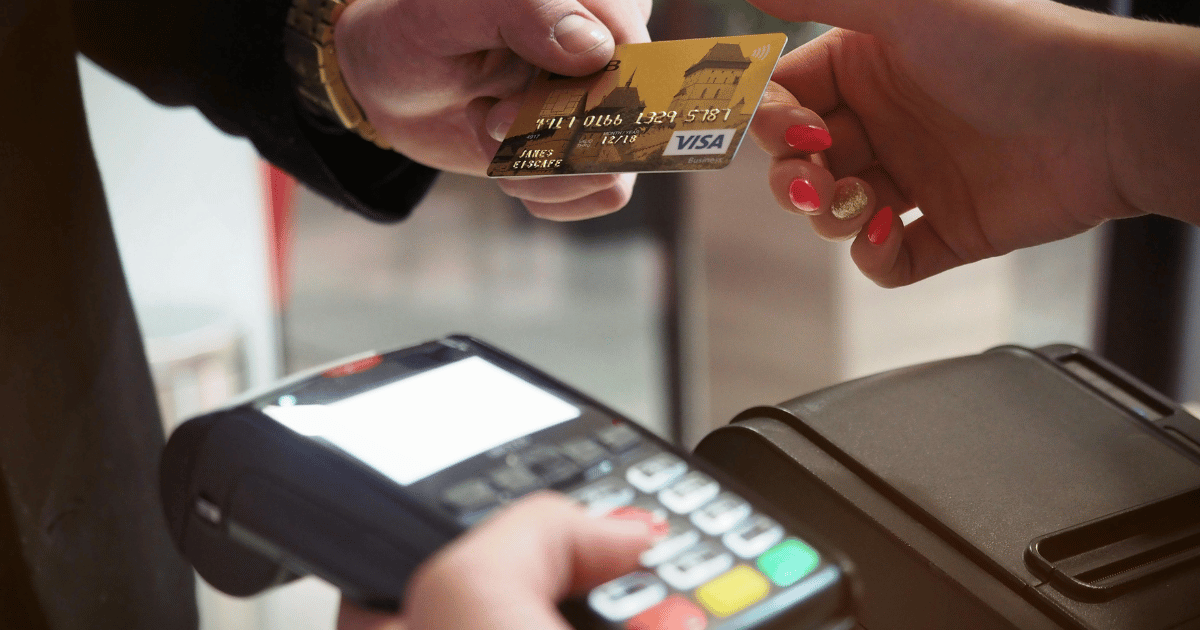
Payment processing has become a key part of running a successful liquor store. As customer habits change and digital payments grow, liquor retailers must understand how payment systems work and why advanced payment technologies are becoming increasingly important for integrated solutions. A reliable payment setup helps manage cash flow, reduce costs, and improve the customer experience.
Changing Trends in Liquor Store Sales
During the COVID-19 pandemic, many retail sectors in Canada faced reduced spending. Liquor stores, however, experienced growth. With bars and restaurants closed, customers turned to retail stores to buy alcohol. This led to steady revenue growth in 2020 and 2021, pushing the Canadian liquor store market to a value of about $25 billion. This growth increased the need for better payment management and efficient store operations.
Why Integrated Payments Matter
Cash payments are declining quickly. Debit cards, credit cards, and contactless payments are now the preferred options for most customers. Many shoppers expect to pay using chip cards, tap-to-pay, or mobile wallets. If a liquor store does not support these methods, it risks losing customers or limiting purchase sizes.
An integrated POS system allows liquor stores to accept digital payments smoothly. When payments are built directly into the POS, transactions are faster, more accurate, and easier to track. Customers also enjoy a smoother checkout experience.
How Payment Processing Works
To accept digital payments, liquor stores need a merchant services account. This account temporarily holds customer payments before transferring them to the store’s business bank account. A merchant service provider sets up this account and supplies the necessary hardware and software.
Payment hardware may include card terminals with contactless and NFC features, allowing customers to pay using cards or mobile wallets.
Advantages of Integrated Payment Solutions
Some POS systems require store owners to manage payment processing separately, which can complicate operations. Standalone payment terminals may not sync automatically with sales systems, leading to extra steps at checkout and longer reconciliation processes.
Integrated payment systems remove these issues. Payments automatically sync with sales data, reducing manual entry and errors.
Importance of Fee Transparency
Payment processing fees can vary widely. Some providers charge extra or hidden fees that increase monthly costs. For liquor stores operating on tight margins, unexpected charges can hurt profitability.
Before choosing a provider, store owners should review all fees carefully. Transparent pricing helps avoid surprises and makes it easier to plan expenses.
Choosing a Provider with Strong Support
Good customer support is essential when selecting a POS and payment provider. Payment issues can disrupt sales and frustrate customers. A reliable provider should offer fast technical assistance and emergency support when problems occur.
Liquor store owners should research service levels, response times, and support options before making a decision. Strong support ensures smoother operations and peace of mind.
Conclusion
Understanding payment processing is no longer optional for liquor stores. Integrated POS and payment systems improve efficiency, enhance customer satisfaction, and support business growth. With transparent fees and dependable support, liquor retailers can stay competitive in an increasingly cashless world.
