


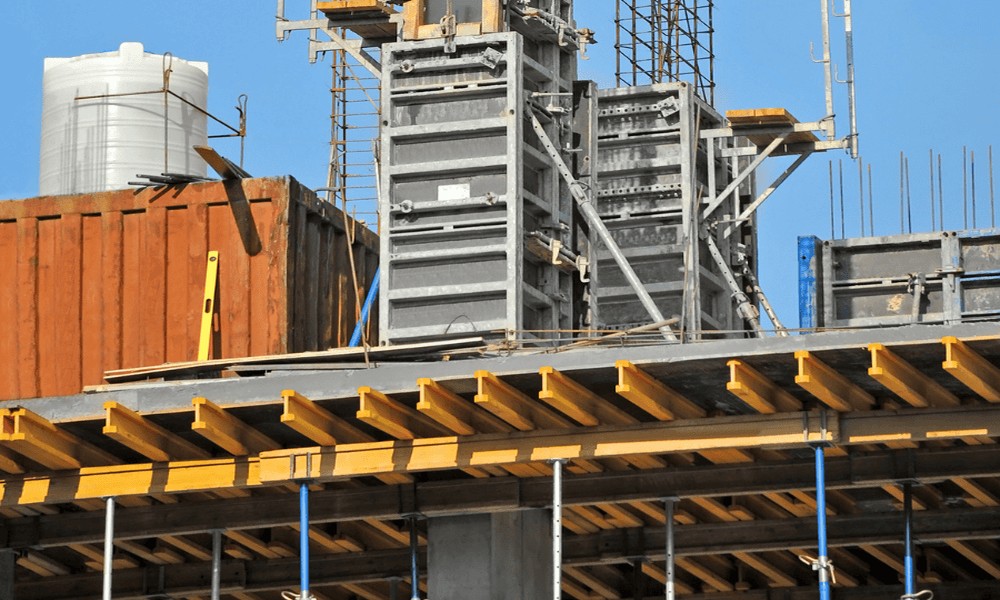
Steel formwork, once considered a niche solution reserved for the most demanding projects, is now at the heart of innovation in modern construction. Yet, myths and misconceptions still cloud its reputation. Is custom steel formwork really too expensive? Too complex? Or does it, in fact, hold the keys to architectural freedom, efficiency, and safety?
Dispelling the Myth: Custom Steel Formwork Is Always Cost-Prohibitive
Sticker shock often dominates the conversation. The word “custom” conjures visions of runaway budgets, but this misses the bigger picture.
Understanding Initial Investment vs. Long-Term Savings
While upfront costs for custom steel formwork are higher than conventional wood or aluminum, the real story emerges over repeated use. Steel systems can be reused hundreds of times with minimal degradation, spreading the initial investment over multiple projects or phases. The reduced need for constant repairs, replacements, or disposal pays dividends as projects scale in size or complexity.
Case Studies Demonstrating Cost Efficiency in Complex Projects
Consider the construction of multi-level parking garages or bridge decks. Traditional formwork suffers from wear and frequent resizing needs. In contrast, custom steel solutions cut man-hours and material waste, eventually driving down per-use costs. Teams that track their formwork lifecycle often discover an impressive return on investment by year’s end.
Myth: Custom Steel Formwork Is Too Complicated to Design and Fabricate
It’s easy to imagine a maze of engineering headaches and endless back-and-forth between site and shop. However, the reality is rapidly changing.
Advances in CAD and BIM Technologies for Precision Engineering
Digital tools have revolutionized formwork design. Computer-Aided Design (CAD) and Building Information Modeling (BIM) let engineers and fabricators collaborate in real time, identifying clashes and optimizing details long before steel is cut. This accuracy reduces costly on-site modifications and assures a perfect fit the first time.
Collaboration Between Engineers and Fabricators to Streamline Processes
When structural engineers and fabricators work side by side from the early design stages, projects advance smoothly and timelines contract. Firms like NadeauSDM ingénieur étaiement are recognized for integrating these disciplines, making seamless transitions from drawing board to job site possible.
The Misconception That Custom Steel Formwork Limits Architectural Creativity
There’s a lingering belief that custom steel formwork stifles design vision because “steel can only do so much.” The opposite is often true.
How Tailored Steel Formwork Enables Complex and Repetitive Shapes
Architects and engineers now use custom steel formwork to achieve daring curves, intricate vaults, and non-standard geometries, particularly in repeated elements like columns or façade panels. Once a unique form is built, it can be reused to reproduce complex shapes with unprecedented consistency.
Examples of Innovative Architectural Applications
Landmark museums, bridges, and civic centers increasingly showcase bold forms made possible by these custom solutions. Features such as sweeping arches, textured walls, and double-curved slabs are brought to life efficiently and precisely, demonstrating that steel formwork can be a creative enabler rather than a constraint.
Myth: Installation of Custom Steel Formwork Is Slower and More Labor-Intensive
Speed is always top of mind, and skepticism surrounds anything “custom.” But recent projects tell a different story.
Modular Design and Prefabrication Techniques to Speed Up Assembly
Modern steel formwork is often modular, arriving on site prefabricated and ready for rapid assembly. Fewer on-site adjustments mean faster cycle times, particularly on projects with repetitive elements or tight schedules.
Training and Best Practices That Reduce On-Site Challenges
With well-documented procedures and crew training, installation becomes routine. Best practices, such as using color-coded components and standardized connectors, further slash assembly times and minimize errors.
Belief That Custom Steel Formwork Is Not Suitable for Multi-Story and Large-Scale Projects
Skeptics argue that steel formwork can’t handle the rigors of multi-story construction or enormous pours. Structural analysis proves otherwise.
Structural Analysis and Load-Bearing Capabilities for Multi-Story Construction
Advanced load calculations ensure that custom steel formwork systems, when properly engineered, safely support the immense weights of thick slabs and tall walls. Their inherent strength often surpasses that of traditional materials, supporting ambitious construction schedules and complex sequencing.
Case Examples of Successful Multi-Story Formwork and Re-étaiement
Multi-level office buildings, high-rise towers, and infrastructure projects across Quebec and beyond routinely employ custom steel systems for both initial forming and later re-étaiement. The added benefit? Enhanced safety and reduced downtime between floors.
Misunderstanding Around Maintenance and Longevity of Steel Formwork
Rumors persist about high maintenance demands or limited lifespan, but the facts say otherwise.
Durability and Reusability Compared to Traditional Materials
Steel resists warping, swelling, and rot. Treated properly, it shrugs off exposure and outlasts plywood and aluminum alternatives, whose lifecycle is measured in dozens, not hundreds, of uses.
Proper Maintenance Protocols to Maximize Lifespan
Routine inspections for damage, timely cleaning, and minor repairs are usually all that’s needed to keep steel formwork in peak condition. A structural maintenance protocol extends system life and preserves investment.
Myth: Safety Concerns Are Higher with Custom Steel Formwork
Some still worry that custom steel introduces unknown safety risks. In reality, the opposite tends to be true.
Engineering Controls and Safety Standards in Design and Usage
Custom systems are designed in line with the latest safety codes and standards. Features like built-in guardrails, anti-slip surfaces, and secure locking devices are now standard.
Real-World Safety Performance Data and Risk Mitigation Strategies
Accident rates consistently show that projects utilizing engineered steel formwork see fewer onsite injuries and incidents. Precise fit and robust design leave less room for dangerous improvisation, setting a new bar for jobsite safety.
—
Custom steel formwork is not the costly, complicated, or risky gamble many assume. Instead, it represents the convergence of precision engineering, efficiency, and architectural ambition that defines modern construction. As industry leaders continue to innovate, the old myths fade, replaced by tangible results on job sites around the world.
